
Cattle breeds have developed over generations to suit different climates, farming conditions, and agricultural purposes. In southern regions, livestock traditions often emphasize strength, adaptability, and healthy herd development. The subject of Southern Fighting Cattle (วัวชนแดนใต้) provides an opportunity to understand the physical characteristics and historical roles of various cattle breeds associated with rural livestock culture. Learning about these animals also highlights the importance of responsible breeding, proper care, and animal welfare.
Which Cattle Breeds Are Commonly Found in Southern Regions?
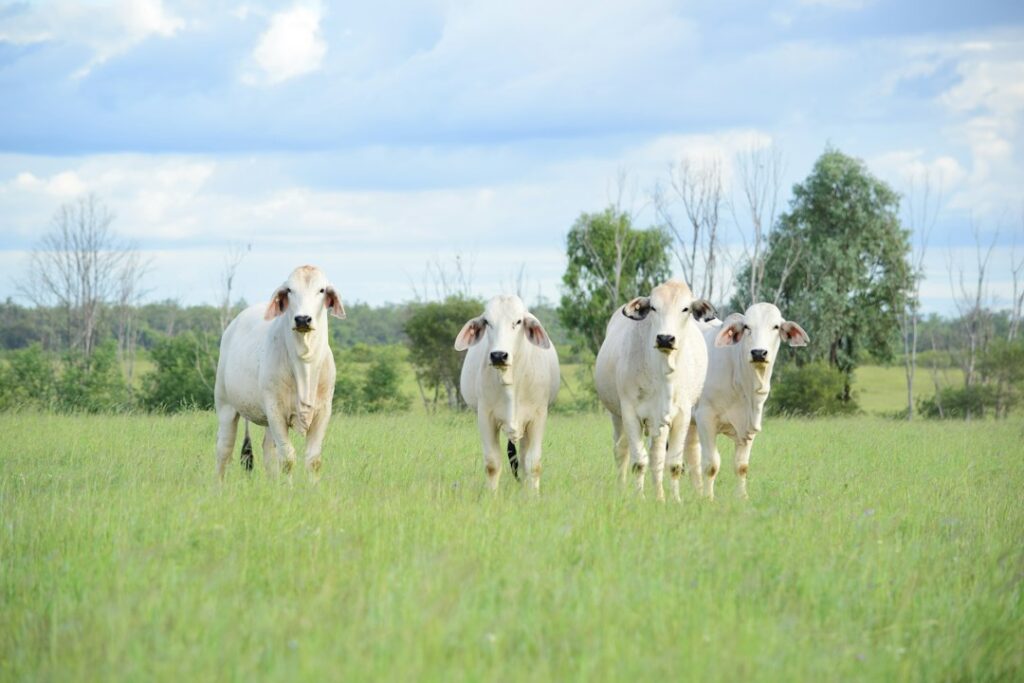
Southern cattle populations include several breeds selected for their ability to adapt to local environments. Brahman cattle are recognized for their prominent humps, loose skin, and tolerance of hot conditions. Their physical characteristics make them suitable for many warm-climate farming systems.
Angus cattle are known for their solid bodies and valuable meat qualities. Hereford cattle are another established breed, recognized by their reddish coats and distinctive white faces. These breeds have different agricultural purposes and are valued according to farmers’ needs.
What Physical Characteristics Make Each Breed Different?
Cattle breeds vary in body size, coat color, muscular development, horn structure, and temperament. Some animals have heavier frames, while others are naturally more compact. These differences often reflect generations of selective breeding and environmental adaptation.
Brahman cattle generally have loose skin and prominent humps. Angus cattle typically have dark coats and strong body structures. Hereford cattle are recognizable through their contrasting facial markings.
Although physical strength can vary between individual animals, appearance alone does not determine temperament or suitability for particular activities.
How Does Breeding Influence Cattle Development?
Responsible breeding helps farmers maintain desirable livestock characteristics. Breeders consider health, growth, fertility, adaptability, and temperament when selecting animals for future generations.
Good breeding programs also aim to reduce inherited health problems and improve herd quality. Careful recordkeeping allows livestock owners to understand an animal’s ancestry and development.
Aggressive behavior should never be treated as a desirable breeding objective. Calm temperament and manageable behavior support safer livestock handling and healthier agricultural environments.
Why Is Proper Cattle Care Important?
Every breed requires suitable nutrition, clean drinking water, adequate shelter, and regular health monitoring. Feeding plans should reflect an animal’s age, size, activity, and nutritional requirements.
Veterinary attention helps identify illnesses, injuries, and other health concerns. Appropriate fencing and safe handling facilities also protect both cattle and their caretakers.
Animal welfare is especially important when discussing traditions involving powerful bulls. Deliberately encouraging cattle to fight can cause physical injuries and distress, so responsible livestock practices should prioritize safety.
What Can Farmers Learn From Breed Diversity?
Understanding different cattle breeds helps farmers make informed decisions about herd management and agricultural goals. Each breed offers particular characteristics that may suit specific environments and production systems.
Southern cattle heritage reflects generations of livestock knowledge and adaptation. By appreciating breed diversity, supporting responsible breeding, and prioritizing animal welfare, communities can preserve valuable agricultural traditions while promoting healthier cattle populations for future generations.
At a Glance
- Cattle breeds have been developed over generations to adapt to various climates and farming conditions.
- Brahman cattle are known for their prominent humps and loose skin, making them suitable for hot climates.
- Angus cattle are recognized for their solid body structures and high-quality meat.
- Responsible breeding practices help in maintaining desirable livestock characteristics and improving herd quality.
- Proper cattle care includes providing adequate nutrition, clean water, and regular health monitoring.
- Understanding breed diversity allows farmers to make informed decisions about herd management and agricultural practices.